
Lotere telah memikat imajinasi manusia selama berabad-abad, a1 lottery offering a tantalizing glimpse into the possibility of life-changing fortunes. From ancient Rome to modern-day mega-jackpots, lotteries have evolved significantly, namun daya tarik intinya tetap sama: the chance to turn a small investment into extraordinary wealth.
Sejarah Singkat
The origins of lotteries can be traced back to ancient civilizations. In Rome, contohnya, lotteries were used to distribute prizes during feasts and festivals. These early forms of lotteries were often social events, designed to provide entertainment and a sense of community.
Selama Renaisans, lotteries gained popularity in Europe as a way to fund public projects. The English and French used lotteries to finance everything from roads to public buildings. In the 18th century, lotteries became a popular means of raising money in America, with proceeds funding infrastructure projects like roads and bridges.
The Modern Lottery Phenomenon
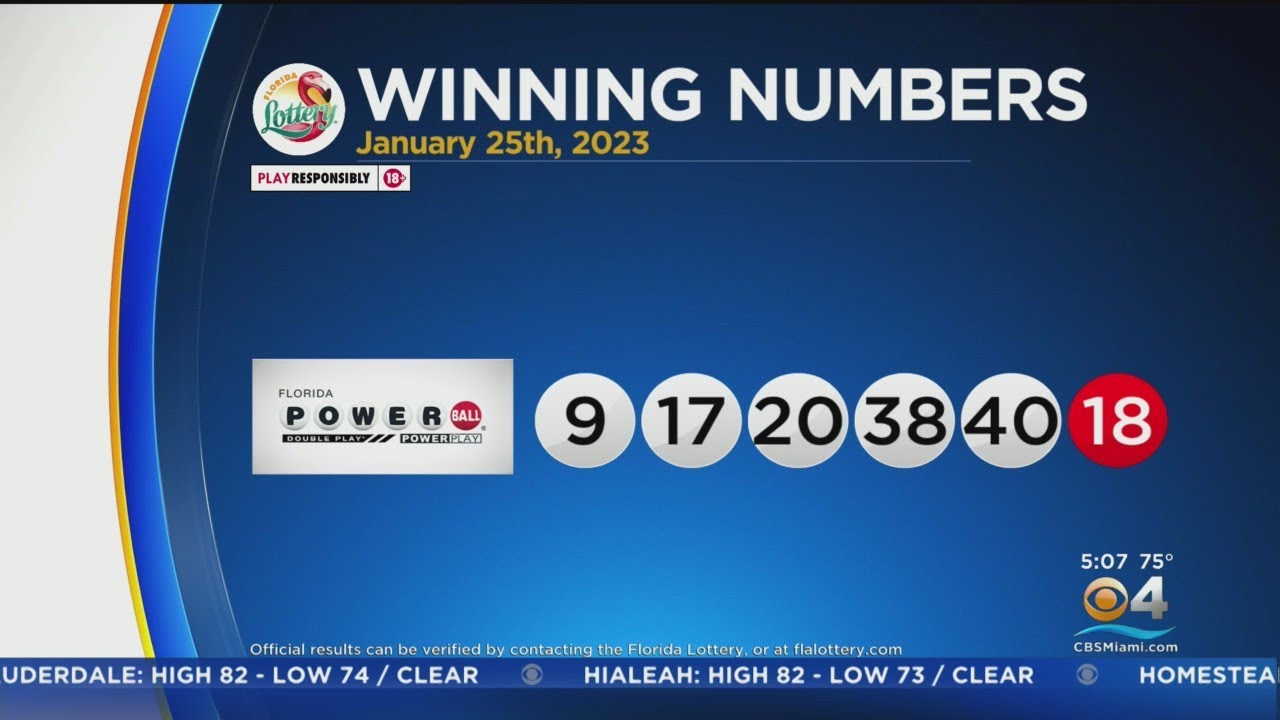
Today’s lotteries are far more complex and structured than their historical predecessors. Modern lotteries come in various forms, from state-sponsored games to international jackpots. Mega Millions and Powerball in the United States, EuroMillions di Eropa, and the El Gordo Christmas Lottery in Spain are prime examples of lotteries that have become cultural phenomena.
What makes these lotteries particularly intriguing is their sheer scale. Powerball, contohnya, often boasts jackpots that exceed hundreds of millions of dollars, creating a media frenzy and a global audience. The odds of winning such colossal prizes are astronomically low, yet the promise of a transformative win keeps millions of players buying tickets.
The Psychology of Lottery Participation
The appeal of lotteries can be attributed to several psychological factors. Konsep dari “lottery fever” describes the excitement and anticipation people feel when they imagine the possibilities of winning. This phenomenon is fueled by the belief that even though the odds are slim, the chance of winning is worth the risk.
Bahkan, lotteries often prey on our desire for instant gratification and dreams of a better life. The idea of a sudden windfall that can resolve financial difficulties, afford luxurious items, or provide for loved ones taps into deep-seated aspirations.
Dampak Ekonomi dan Sosial
Lotteries also have significant economic and social implications. Di satu sisi, they provide substantial revenue for governments and charitable causes. Dalam banyak kasus, proceeds from lotteries support education, health care, and community projects.
Di sisi lain, there are concerns about the social impact of lotteries. Kritikus berpendapat bahwa hal ini secara tidak proporsional berdampak pada individu berpenghasilan rendah, yang mungkin menghabiskan persentase lebih tinggi dari pendapatannya untuk membeli tiket. Ada juga risiko menumbuhkan kecanduan judi, karena sensasi lotere dapat menyebabkan perilaku kompulsif.
Masa Depan Lotere
Seiring kemajuan teknologi yang semakin maju, lanskap lotere kemungkinan besar akan berkembang. Lotere online dan aplikasi seluler semakin memudahkan orang untuk berpartisipasi, memperluas jangkauan dan aksesibilitas permainan ini. Selain itu, inovasi dalam blockchain dan mata uang digital dapat membuka jalan bagi sistem lotere yang lebih transparan dan aman.
Namun, daya tarik mendasar dari lotere—impian untuk menjadi kaya dengan satu tiket—kemungkinan akan bertahan lama. Ketertarikan terhadap peluang dan potensi kekayaan mendadak akan terus mendorong partisipasi lotere, meskipun format dan metode penyampaiannya berubah.
Kesimpulannya, lotere mewujudkan titik temu harapan yang unik, peluang, dan komunitas. Mereka mencerminkan ketertarikan kolektif kita terhadap kemungkinan kekayaan instan dan impian yang menyertainya. Baik dilihat sebagai pengalihan yang menyenangkan atau strategi keuangan yang serius, lotere tetap menjadi simbol kuat keinginan manusia untuk mendapatkan emas dengan melempar dadu—atau menarik tiket.
