
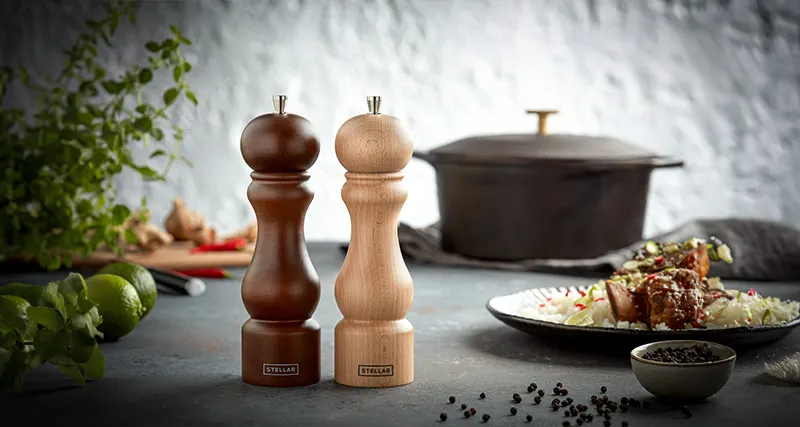
Ihe ole na ole n'ụwa a na-eri nri dị ka ose na nnu. This humble duo has been seasoning meals for millennia, shaping the flavor profiles of cuisines across the globe. While they may seem like https://pepperandsalt.kz/product/smes-prjanostej-i-specij-smes-zeleni-i-ovoshhej-sjendi-novinka/ everyday ingredients, their significance stretches far beyond the dining table. Pepper and salt are not only essential to taste, but they also carry rich histories, omenala mkpa, and diverse applications in both cooking and life.
The History of Salt: A Treasure of the Earth
Salt, scientifically known as sodium chloride, is one of the most ancient and important substances in human history. Its presence has shaped civilizations, economies, and trade routes. Salt’s value was so immense in ancient times that it was often used as currency, with the term “salary” itself derived from “salarium,” the Latin word for the allowance given to Roman soldiers to buy salt.
Salt is harvested in two primary ways: Ngwuputa site na ntinye nnu ma ọ bụ site na ikuku nke mmiri osimiri. Usoro mmịpụta abụọ a emeela ka ọ dị n'ofe ala dị iche iche, ma akụkọ ihe mere eme, nnu dị ụkọ ma dị oke ọnụ n'ọtụtụ mpaghara. Site n'okporo ụzọ nnu nke Sahara ruo n'ite nnu nke China, mineral a chọsiri ike wee lụọ ọgụ.
Otú ọ dị, ọnụ ahịa nnu na-agafe karịa ụtọ. Ọ bụ ihe nchekwa dị ike, dị mkpa maka usoro nchekwa nri dị ka ịgwọ anụ, pickling, na gbaa ụka—ụzọ ndị dị mkpa maka nlanarị tupu ọbịbịa nke refrigeration. N'ọtụtụ omenala, nnu na-anọchi anya ịdị ọcha, nchebe, na ọbụna ihu ọma Chineke. Na Japan, a na-efesa ya iji mee ka oghere dị ọcha, mgbe n'ememe Hindu, a na-eji nnu achụpụ mmụọ ọjọọ.
Ose: The Spice of Exploration and Trade
Ose, karịsịa ose oji (Piper nigrum), has a history as dynamic and transformative as salt. Native to the Malabar Coast of India, pepper was a highly prized commodity in ancient times. The spice ignited trade routes stretching from the Indian subcontinent to Europe, with Venice and Genoa becoming major hubs for the pepper trade during the Middle Ages. Often referred to as “black gold,” pepper was so precious that it was sometimes used to pay rent, taxes, and dowries.
Unlike salt, which is a mineral, pepper is a fruit—specifically, the dried berry of the Piper nigrum vine. The difference between black, ọcha, and green pepper lies in the ripeness of the fruit when harvested and the method of processing. Black pepper is picked while still green and allowed to dry, turning the outer shell black. White pepper is made by removing the outer skin, na-ahapụ naanị mkpụrụ, ebe a na-egbute ose green na-eto eto ma akpọnwụọ ma ọ bụ chekwaa ya.
Ọrụ ose na akụkọ ihe mere eme karịrị ahia. Ọ bụ otu n'ime isi ihe kpatara nchọpụta Europe nke ụwa. Ngwa nri, karịsịa ose, Ọ na-achọsi ike nke ukwuu nke na ha chụpụrụ ndị na-eme nchọpụta dị ka Vasco da Gama ka ha depụta ụzọ ụgbọ mmiri ọhụrụ na-aga India, na-agbanwe usoro akụkọ ihe mere eme.
Symbiosis nke nnu na ose na nri
Ebe nnu na ose nke ọ bụla nwere njirimara na akụkọ ihe mere eme nke ya, a na-ejikọtakarị ha ọnụ na kichin zuru ụwa ọnụ. Mmekọrịta symbiotic dị n'etiti ha abụọ na-emepụta nguzozi n'ụdị ụtọ.
Nnu bụ nkwalite ụtọ ụtọ. Ọ bụghị naanị na-eme nri nnu; ọ na-eme ka mmetụta ndị ọzọ dịkwuo elu, na-ewepụta ihe ụtọ na desserts, acidity nke tomato, na umami na anu. Nnu na-emekọ ihe na-atọ ụtọ site n'ịkwụsị obi ilu na ịkwalite ndetu ụtọ na ụtọ., na-eme ka ọ bụrụ ihe dị mkpa n'ihe fọrọ nke nta ka ọ bụrụ nri niile.
Ose, n'akụkụ aka nke ọzọ, bụ ose na-agbakwụnye okpomọkụ, omimi, na mgbagwoju anya na efere. ose ojii dị nkọ, okpomọkụ na-ekpo ọkụ na-akpali ọnụ ọnụ ma na-agbakwụnye ekpomeekpo. Na mgbakwunye na okpomọkụ, ose nwere ụda ifuru na nke osisi nke na-eme ka ụtọ dị ụtọ na nke bara ụba. Ntugharị ya na-eme ka ọ dị mma maka nri dị iche iche, site na pasta Italian gaa na curries India.
Ọnụ, nnu na ose na-etolite ngwakọta dị ike nke na-edozi nri n'ihe gbasara uto. Nnu na-ewepụta ihe ụtọ na efere, ebe ose na-agbakwụnye ọkụ na omimi. Isi nri abụọ a na-arụ ọrụ n'ihe niile site na nri ụtụtụ akwa dị mfe ruo na efere gourmet ọkaibe.
Nnu na ose Gafere kichin
N'ofè ha culinary ngwa, e jikwa nnu na ose mee ihe n'ebe dị iche iche na-abụghị nri. Salt, dị ka ọmụmaatụ, na-arụ ọrụ dị oke egwu na ụlọ ọrụ dịka ọgwụ, ebe a na-eji ngwọta saline na-agwọ akpịrị ịkpọ nkụ na ọnya dị ọcha. Ikike nnu na-amịpụta mmiri na-emekwa ka ọ baa uru na ihicha na ikpochapụ, site n'ịkwasa okporo ụzọ oyi ruo n'ịkpọsa ihe n'ụlọ.
Ose e jikwa kpọrọ ihe na ọgwụ ọdịnala. Na Ayurveda, A na-ahụ ose oji dị ka ihe ngwọta maka nsogbu mgbaze, dị ka pungency ya na-akpali agụụ na mgbaze. A na-eche na ose nwere ihe mgbochi mkpali na antioxidant.
Ọrụ Omenala na Ihe atụ nke nnu na ose
Nnu na ose na-ebu nnukwu ibu omenala, na-apụta na okpukperechi, ime mmụọ, and superstitious traditions worldwide. Ọmụmaatụ, spilling salt is considered bad luck in many cultures, and throwing a pinch of it over one’s shoulder is believed to ward off evil. Na ntule ndịiche, pepper is often viewed as a symbol of warmth and hospitality, and it has been used in rituals to protect against harm.
The combination of salt and pepper on the table symbolizes hospitality and the sharing of meals. The simple act of passing the salt and pepper is a gesture of inclusion, of extending the gift of flavor to another person.
Mmechi: A Timeless Staple
Though they may be common ingredients, salt and pepper have earned their place as timeless staples of both the kitchen and history. Their roles in enhancing flavor, preserving food, driving exploration, and shaping economies are unparalleled. The next time you season your meal, wepụta oge iji ghọta na narị afọ iri nke omenala, akụkọ ihe mere eme, na sayensị kpuchiri n'obere nfesa nnu na ntụtụ nke ose. Ha bụ, n'ezie, karịa nanị condiments-ha bụ ọkpụkpụ azụ nke nri zuru ụwa ọnụ na mmepeanya mmadụ.
